
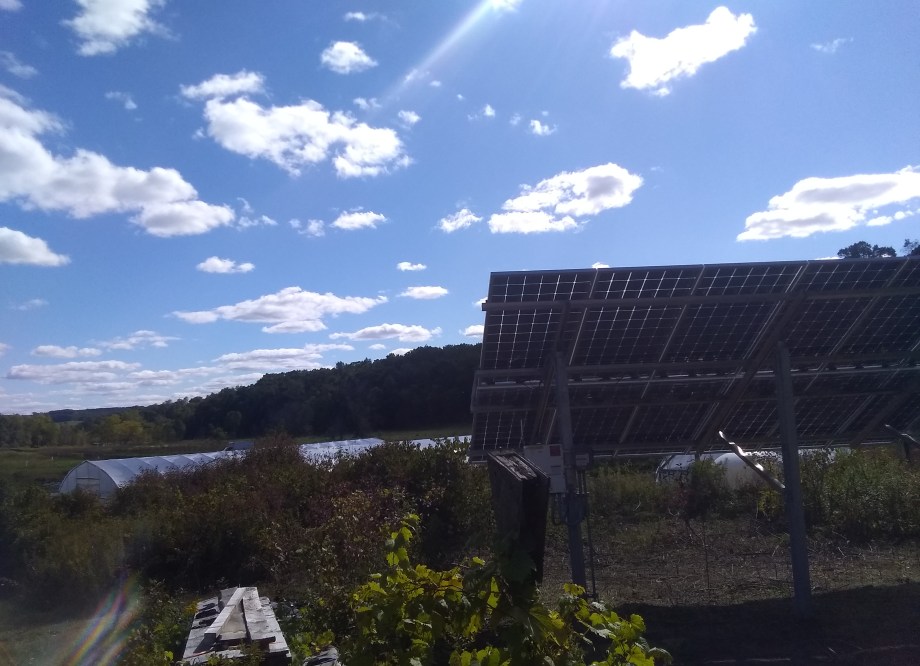
Was it worth it?
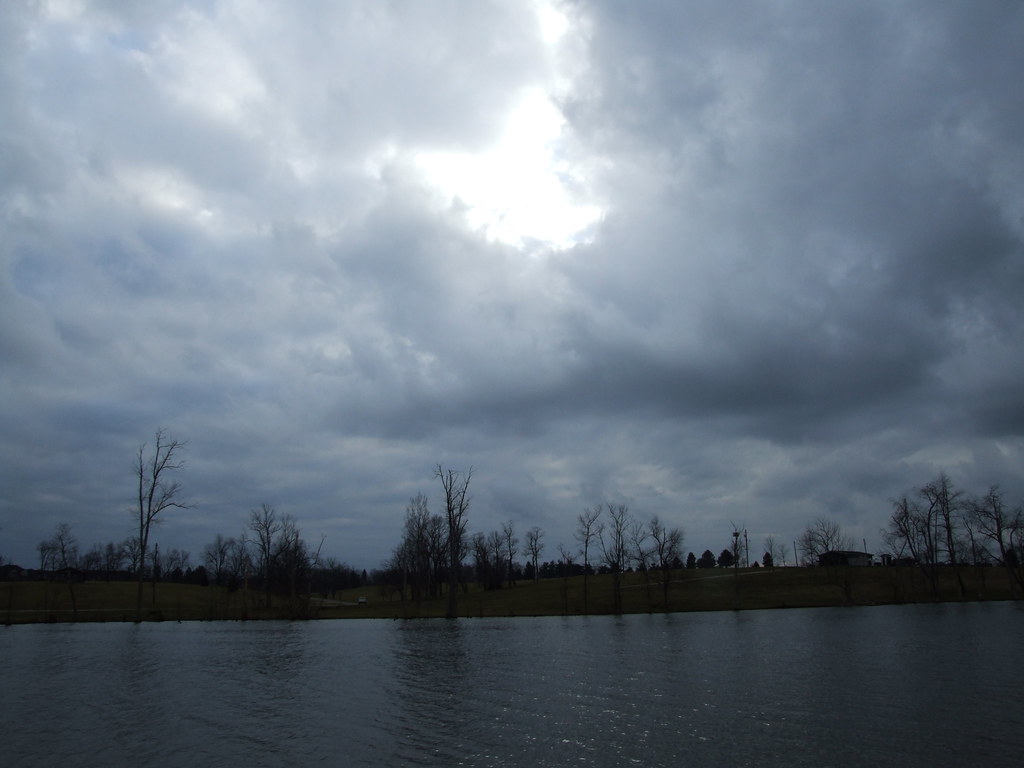
Here’s the debatably good news, depending on where you live..
The solar panel operation works well in the summer, not so well in the winter; AT ALL. Reason being, here in Wisconsin you definitely need to factor in cloudy skies of the winter. With us just passing solstice, the days will start to get longer- hence more sun. Currently, at what seems to be the worst of the year, we struggle to get an hour, sometimes 2 hours a day for solar generation. This means, you can’t run very many appliances, especially for a period of time. Our worst case was running a small light for 4 hours in the chicken coop, and only being able to run a 150watt bulb for about 5 minutes. So in a short answer, solar for northern Wisconsin is rough, and not financially viable for a small system like this. Keep in mind though, this is a system on a budget. As your system grows in size your overall efficiency and SAVINGS increase dramatically.
Some more cost effective options for saving money and the environment has more to do with buying cheap used LED lights and low wattage appliances that you run on the grid, being mindful of your electricity consumption and if you do want to use solar to power things, try and get used items as much as possible to help keep your financial / carbon cost down.
We have our operation setup where we have small grids in each building, which was possibly the worst possible way of doing things. From what we are seeing, it seems most cost effective to centrally house the panels, batteries, controller and inverters all in one area to save on wire cost. Then, have some sort of Bluetooth control module, so you can turn different powered inverters for different electrical needs. It’s not cost nor energy efficient to buy the biggest power inverter you can buy, and then have it run at low wattage capacity. The efficiency of the inverter increases as it gets closer to max capacity. I would then run the electricity from the inverters either into the buildings you want to power, or run through 2 transformers on both ends to save on wiring cost. Matter a fact, it sounds like I’m describing the main electric grid.
DISCLAIMER ON FIRST PAGE
 a place to connect